Most nail damage blamed on gel, dip, or acrylic actually happened at removal. The product sat on the nail for weeks without harming much. Then it came off in five impatient minutes, pried with a card, bitten at the edges, or peeled in sheets, and layers of the natural nail went with it. At TP NAIL SPA in Ellenboro, removal is treated as part of the service, on a calendar, not as an afterthought at the kitchen table.
Soak-off removal works because acetone softens the product so it releases. Peel-off removal works because force wins, briefly. The nail pays the difference. This guide lays out what proper removal looks like across the year, because how often you change sets matters as much as how you take them off.
What peeling actually removes
A natural nail is made of stacked layers of keratin. Gel and dip bond to the top of that stack. When a lifted edge is peeled, the bond is often stronger than the bond between the nail's own layers, so the top layers tear away with the product. The result is a nail that looks white, rough, and papery, bends easily, and holds new polish poorly because its surface is now uneven. That damage does not heal. It grows out, at the pace fingernails grow, a few millimeters a month, which is why one bad removal in March can still be snapping in June.
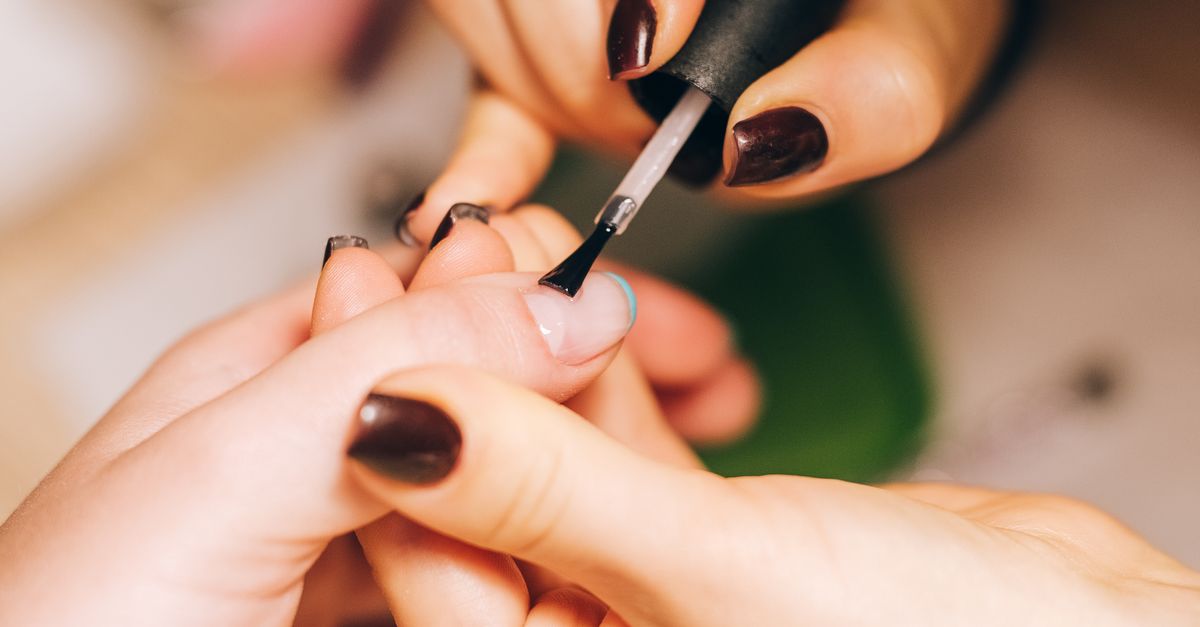
A removal calendar that protects the plate
| Timing | What to do | Why it matters |
|---|---|---|
| Weeks 1–2 of a set | Wear it; oil cuticles; fix a lifted edge promptly instead of picking at it | A lifted edge is an invitation to peel, and picking starts the tear |
| Weeks 2–3 | Book removal or a fresh set; gel and dip are due to come off or be filled | Grown-out product shifts weight to the tip and lifts more easily |
| Removal day | Soak in acetone with patience, typically 10–15 minutes, then gentle pushing of softened product | Softened product slides off; hard product scraped off takes nail with it |
| The week after | Keep nails shorter, moisturize, consider a plain or strengthening manicure before the next set | Freshly cleared nails show their real condition; short length protects thin spots |
| Across the year | Plan occasional polish-free stretches if nails feel thin, especially in dry winter months | Breaks let you inspect the plate and let damaged sections grow out |
Proper soak-off, step by step in plain terms
The surface of the product is filed first to break the seal of the topcoat. Cotton soaked in acetone is placed on each nail and wrapped, or the fingertips soak in a bowl. Then comes the part people skip: waiting. Softened gel turns gummy and pushes away with an orange stick using light pressure. Anything that resists goes back to soaking rather than meeting a scraper. Afterward the nails are washed, dried, and moisturized, because acetone is drying. Bits of product left behind usually mean the soak was rushed, not that more force was needed.
How to tell a removal went well
A good removal leaves nails that look like nails: smooth, evenly colored, and about as flexible as they were before the set went on. Warning signs are white patches where layers lifted, rough or flaky tips, tenderness when you press the plate, and polish that will not sit evenly at the next manicure. If you see those signs, the answer is not a stronger set to cover them. It is a shorter, gentler stretch of plain care while the damaged growth moves toward the free edge and gets filed away, week by week, until the plate coming out of the cuticle is the plate reaching the tip again.
Peel-off products are a different case
Peel-off base coats exist and are made to release cleanly; they trade wear time for easy removal and are fine for a weekend color. That is not the same as peeling a standard gel or dip set that was designed to stay bonded for weeks. Read the difference honestly: if removal needs prying, biting, or a tool slipped under an edge, it is not a peel-off product, it is a tear-off accident. In Ellenboro's humid summers and dry winters alike, the rule holds all year. Soak, wait, push gently, and let the calendar, not impatience, set removal day.
Common questions
How long should soak-off removal take?
Plan on 10 to 15 minutes of soaking for gel, sometimes longer for dip or acrylic, plus gentle pushing. Rushing that window is where damage starts.
My nails feel thin after removal. Did the product cause it?
Usually the removal did, especially if any peeling or prying happened. Keep them short and moisturized while the damaged section grows out over several weeks.
Can I remove gel safely at home?
Yes, with pure acetone, patience, and no scraping of resistant product. If pieces will not release after re-soaking, a salon visit is the safer finish.
Photos in this guide are representative stock images.
← All guides from TP NAIL SPA← Back to TP NAIL SPA