If you bite your nails, a manicure salon can feel like the last place you belong. It is actually one of the more useful places. Short, neat, professionally maintained nails are harder and less satisfying to bite, and a standing appointment gives the habit something to run into every few weeks. At TP NAIL SPA in Ellenboro, technicians see bitten nails regularly. There is no lecture involved. This guide walks through what a first appointment looks like and how the routine helps, without shame on either side of the table.
Why a routine interrupts the habit
Biting usually needs a trigger and an opportunity: a rough edge, a lifted corner, a hangnail, plus an idle or stressed moment. Good nail care removes the triggers. Smooth, short edges give teeth nothing to catch. Tidy cuticles remove the little flaps people pick at. A bitter-tasting polish, made for exactly this purpose, adds a pause at the opportunity moment, a bad taste that makes an automatic habit conscious. None of this is willpower. It is friction, applied in the right places.
Your first appointment, step by step
- Say it plainly at booking. Mention your nails are bitten and short. The salon will allow the right time and you will not have to explain at the chair.
- Assessment without drama. The technician looks at length, skin damage, and any sore or broken areas. Broken or infected skin may mean waiting or medical care first.
- Gentle cleaning and shaping. What length exists is evened and smoothed. The goal is neat and uniform, not long.
- Cuticle care. Pushed and tidied, which removes most of the edges people pick at during the week.
- A short protective finish. Options include a clear or matte coat, bitter polish, or for very short nails a thin gel or dip overlay that makes the edge too hard and smooth to bite.
- A home plan and a next date. Oil for cuticles, a file to smooth any rough spot the day it appears, and a follow-up in two to three weeks, before regrowth recreates the triggers.
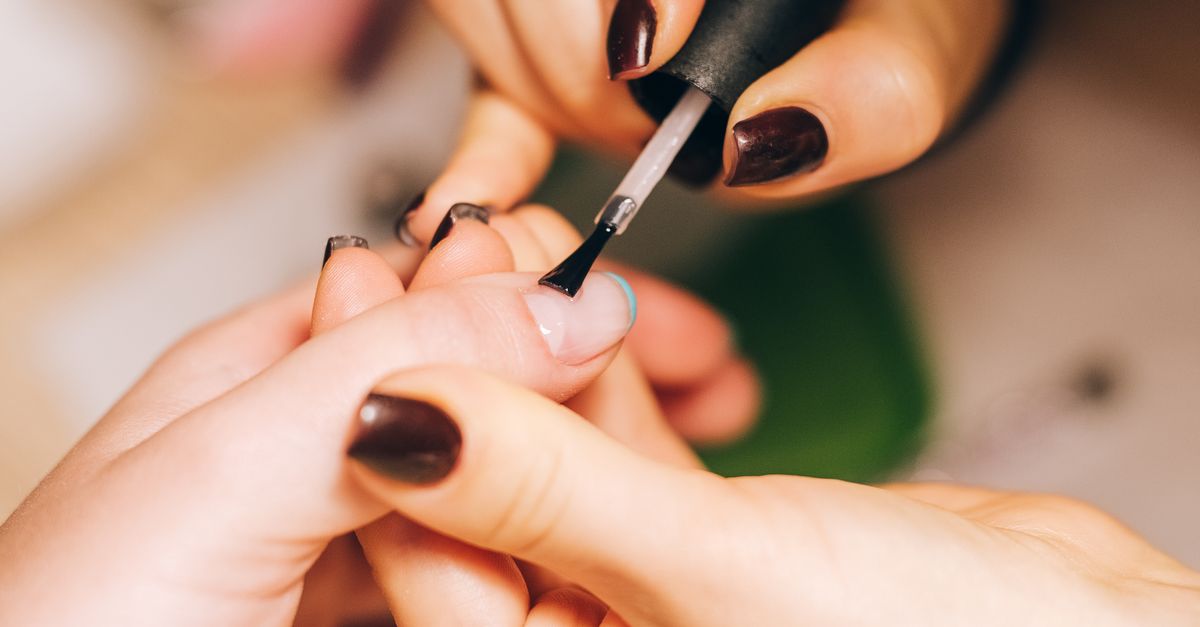
The weeks between appointments
Keep a small file where the biting happens: the car, the desk, the couch. When you notice your fingers at your mouth, file the rough spot instead. That swap, catch and smooth rather than bite, is the engine of the whole routine. Cuticle oil daily keeps the skin around the nails flexible so hangnails stop appearing. Some people add a fidget, gum, or a stress ball for the idle-hands moments. Use whatever works; the manicure handles the nails, not your whole nervous system.
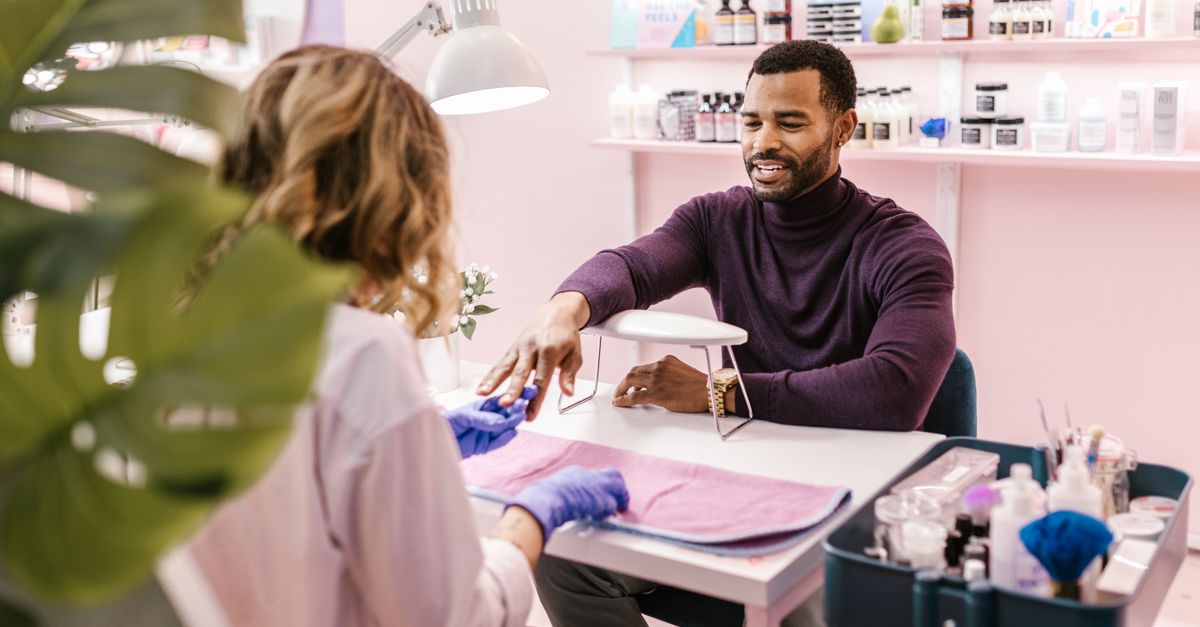
When overlays come off
If you use a gel or dip overlay while growing out bitten nails, removal matters twice as much. Picking at an overlay re-creates the original habit with a harder object attached, and it tears the new growth you have been protecting. Book the removal or the fill on schedule, soak the product off properly, and treat any urge to pick at a lifted edge as the signal to file it smooth or call the salon, not as a test of discipline you failed.
Expect progress in stages. Fingernails grow a few millimeters a month, so a visibly longer, healthier nail bed takes a season, not a fortnight. The early wins are smaller and real: no sore fingertips, photos you do not hide your hands in, a handshake without thinking about it. If biting is tied to serious anxiety, a manicure routine is a support, not a treatment, and there is no failure in saying so. For the common habit version, though, Ellenboro readers have a workable tool close to home: keep the edges smooth, keep the appointments, and let the triggers disappear one by one, week after week. Track it loosely if that helps: a phone photo every Sunday shows growth your eyes miss day to day, and a visible record makes the next appointment feel like progress instead of penance.
Common questions
Will the technician judge bitten nails?
No. Bitten nails are routine work in any salon, and saying so at booking makes the appointment easier for everyone. The focus stays on shaping and protecting what is there.
Can gel or dip help if my nails are very short?
Often yes. A thin overlay adds a hard, smooth edge that is difficult to bite and protects the nail while length grows, as long as the surrounding skin is healthy.
How soon will I see a difference?
Soreness and rough edges improve after the first appointment. Visible length takes longer, since nails grow only a few millimeters a month; plan on a season of regular visits.
Photos in this guide are representative stock images.
← All guides from TP NAIL SPA← Back to TP NAIL SPA